Introduction
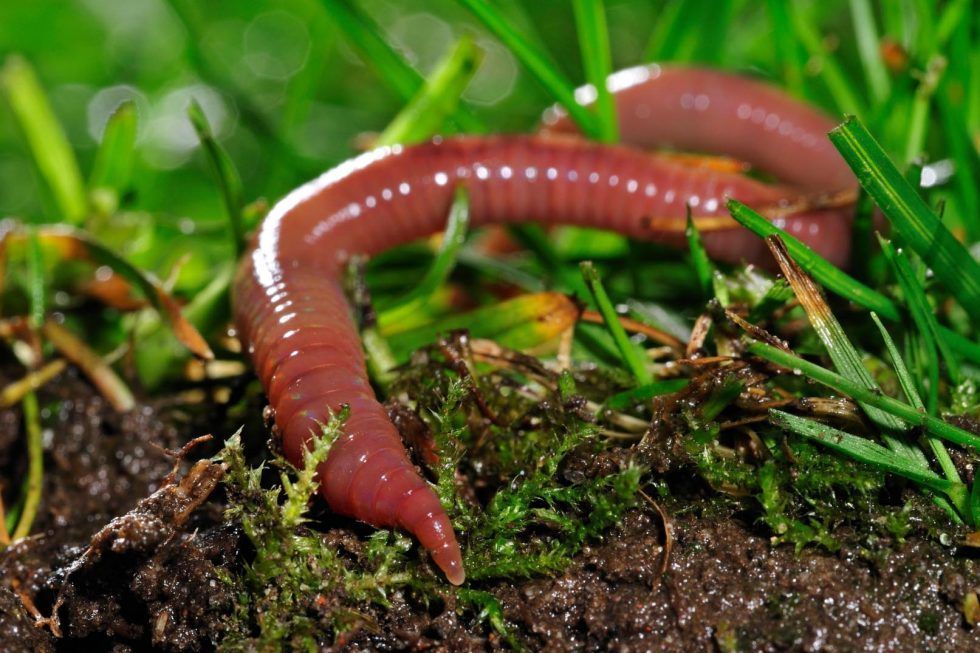
Earthworms play a vital role in soil health and ecosystems. Keeping them in a large terrarium can be an excellent educational experience, a way to observe natural processes up close, or even a step toward producing natural compost. To ensure their well-being, it is essential to recreate conditions that closely resemble their natural underground habitat.
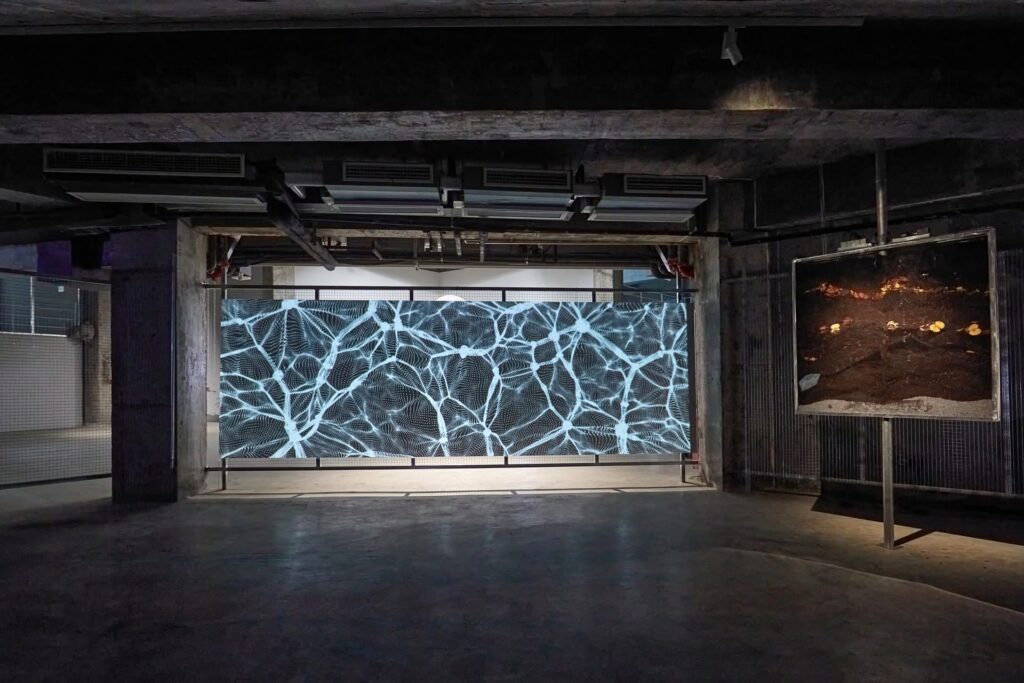
We discovered the need to keep them in a terrarium when creating an artistic piece called ‘Compost Computacional’ with artist Marina Otero Verzier, a work that has been exhibited at Ars Electronica 2025, the Milan Biennale and in China.
This guide explains how to properly set up and maintain a large terrarium for earthworms, including ideal environmental conditions, feeding, and maintenance.
What Types of Earthworms Can Be Kept?
Not all earthworms are the same, and some species adapt better to terrarium environments.
- Common earthworms (Lumbricus terrestris) are suitable for deep, large terrariums.
- Red worms (Eisenia fetida) are often used for composting and can also thrive in controlled environments.
Always avoid collecting protected or invasive species, and never release terrarium worms back into the wild.
The Ideal Terrarium
Size and Material
A large terrarium allows earthworms to burrow naturally and reduces stress.
- Recommended size: deep containers with ample horizontal space
- Materials: glass or sturdy plastic
- Depth is more important than height, as earthworms spend most of their time underground
Ventilation
Earthworms breathe through their skin and require oxygen-rich soil.
- Provide ventilation holes or mesh-covered openings
- Ensure good airflow without strong drafts
- Avoid airtight containers
Suitable Substrate
The substrate is one of the most important elements of a successful terrarium.
Recommended layers include:
- Chemical-free garden soil
- Coconut fiber or leaf litter
- Decomposing organic matter
The substrate should be at least 20–30 cm deep and kept loose to allow easy burrowing.
Ideal Environmental Conditions
Humidity
Earthworms need moist environments to survive.
- The soil should feel damp but not soaked
- Mist the substrate regularly using a spray bottle
- Excess water can cause suffocation or mold growth
Temperature
Earthworms thrive in moderate temperatures.
- Ideal range: 10–20°C (50–68°F)
- Avoid extreme heat or freezing conditions
- Keep the terrarium away from heaters and direct sunlight
Light
Earthworms are sensitive to light and naturally avoid it.
- Place the terrarium in indirect natural light
- Avoid direct sunlight or bright artificial lighting
- A covered terrarium helps reduce stress
Feeding Earthworms
Earthworms feed on decomposing organic material.
Recommended foods:
- Vegetable scraps
- Fruit peels
- Crushed eggshells (in small amounts)
Foods to avoid:
- Meat and dairy products
- Salty or spicy foods
- Citrus in excess
Bury food slightly under the soil and feed small amounts once or twice a week to prevent odors.
Terrarium Maintenance
Regular maintenance keeps the environment healthy.
- Remove uneaten food if it starts to rot excessively
- Replace part of the substrate every few months
- Check moisture levels frequently
- A healthy terrarium should smell like fresh soil
Reproduction and Behavior
Earthworms reproduce naturally under proper conditions.
- Cocoons in the soil indicate reproduction
- Earthworms are mostly active at night
- If worms attempt to escape, check humidity, temperature, and oxygen levels
Common Problems and Solutions
- Soil too dry: Increase misting frequency
- Excess moisture: Improve drainage and ventilation
- Mold or insects: Reduce feeding and remove affected material
- Inactive worms: Check temperature and oxygen levels
Early detection helps prevent serious issues.
Benefits of Keeping Earthworms in a Terrarium
- Natural production of nutrient-rich humus
- Improved understanding of soil ecosystems
- Educational value for students and families
- Low-maintenance and silent pets
Frequently Asked Questions (FAQ)
How long do earthworms live?
Some species can live several years under proper conditions.
Can earthworms live without soil?
No, soil is essential for breathing, feeding, and movement.
Can you touch earthworms?
Yes, but gently and with clean, moist hands.
Should the terrarium be covered?
Yes, to maintain humidity and reduce light exposure.
Conclusion
Keeping earthworms in a large terrarium is a rewarding and educational experience when done correctly. By providing the right substrate, humidity, temperature, and care, you can create a stable environment that supports their natural behavior and contributes to a healthy miniature ecosystem.
Respect for these animals and attention to their needs are key to long-term success.