Charro culture
Charro culture is the set of traditions, ways of life and artistic expressions of a large part of the province of Salamanca, especially the Campo Charro, Alba de Tormes, Ledesma, Ciudad Rodrigo and Vitigudino. The word “charro” began as a name for the country people of Salamanca and in time became a symbol of identity for the whole province, tied to the world of farming and livestock and to the dehesas that define the landscape of the area. It is also expressed in dance and music —charro jotas, fandangos, gaita and tamboril—, in crafts —silver jewellery, embroidery, leather— and in gastronomy —hornazo, farinato, morucha beef—, and today it is kept alive thanks to folk groups, ethnographic museums and contemporary artists who reinterpret it.
The charro costume
It is probably the most recognisable element of charro culture: elaborate embroidery, velvet and woollen cloth, aprons and manteos with floral motifs, and silver jewellery —the famous botón charro, necklaces, earrings, cruceros and medals— which today is one of the most identifiable symbols of Salamanca. It evolved between the eighteenth and twentieth centuries, keeping its base but adding new embroidery with each period; even Queen Victoria Eugenie of Battenberg received one as an official gift on a visit to Salamanca.

Threads of Memory
In the houses of the village of Sancti-Spíritus several families keep charro costumes inherited from generation to generation, carefully stored but almost never worn. They are pieces with many elements such as embroidery, velvet and hand-worked silver, objects of great cultural value that are not commonly seen in the street.
With Threads of Memory we wanted to experiment with these costumes, to get to know them and see what they are really like, how they sit on the body, and to see what of our own style might fit with them. The idea, at first, was simple: take them out, put them on and see what happened. From that came a photo session combining the charro costumes with everyday clothes —an embroidered apron over a jumper, a charro cape over blue jeans.
The result went beyond what we expected. Those who tried on the costumes enjoyed it enormously; in fact people from other projects joined in out of curiosity, and the session ended up feeling more like a small catwalk. It was an activity with a great deal of participation from the workshop, and very interesting for the models, the photographers and those present.
Gallery of the photo session
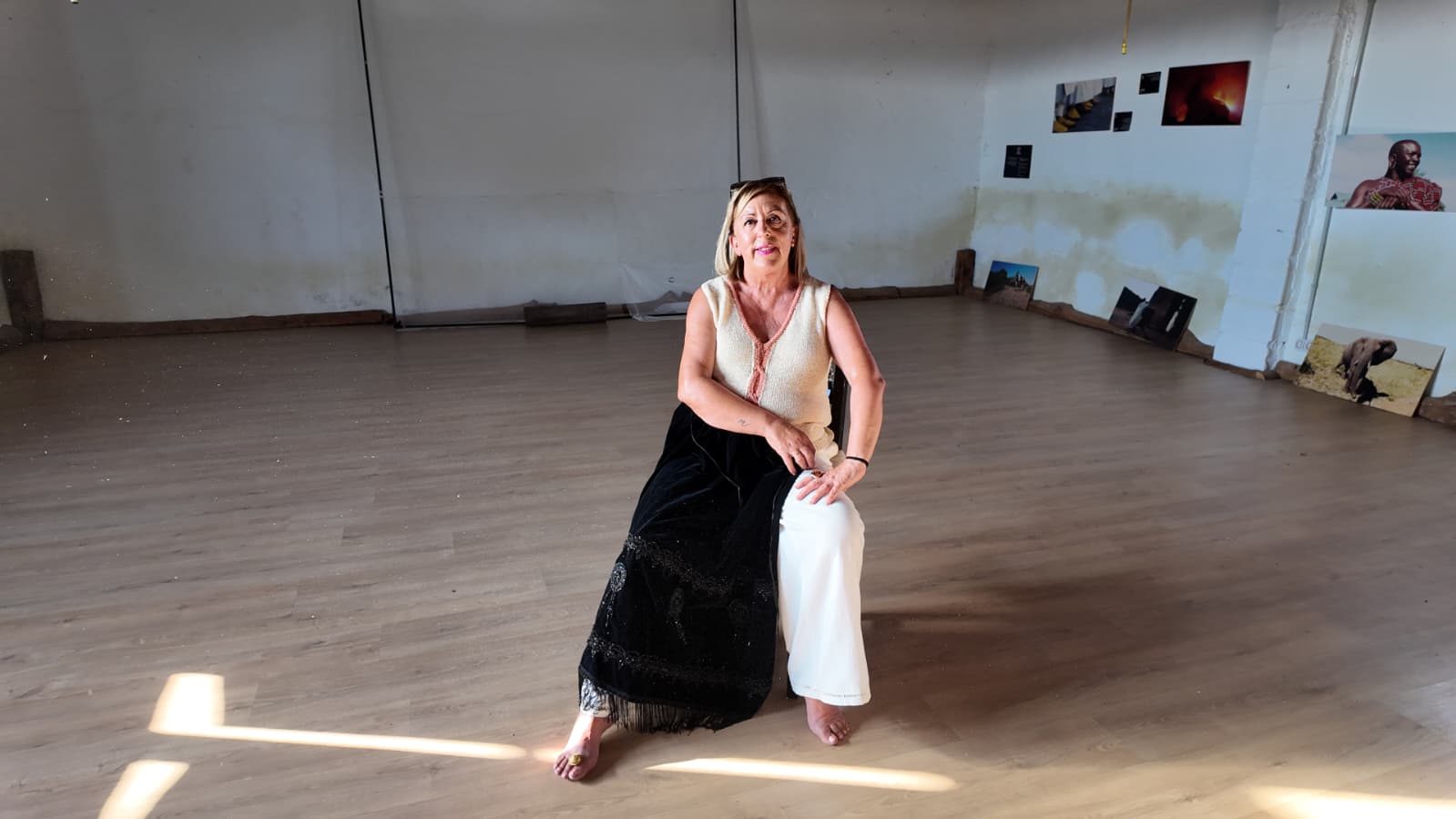
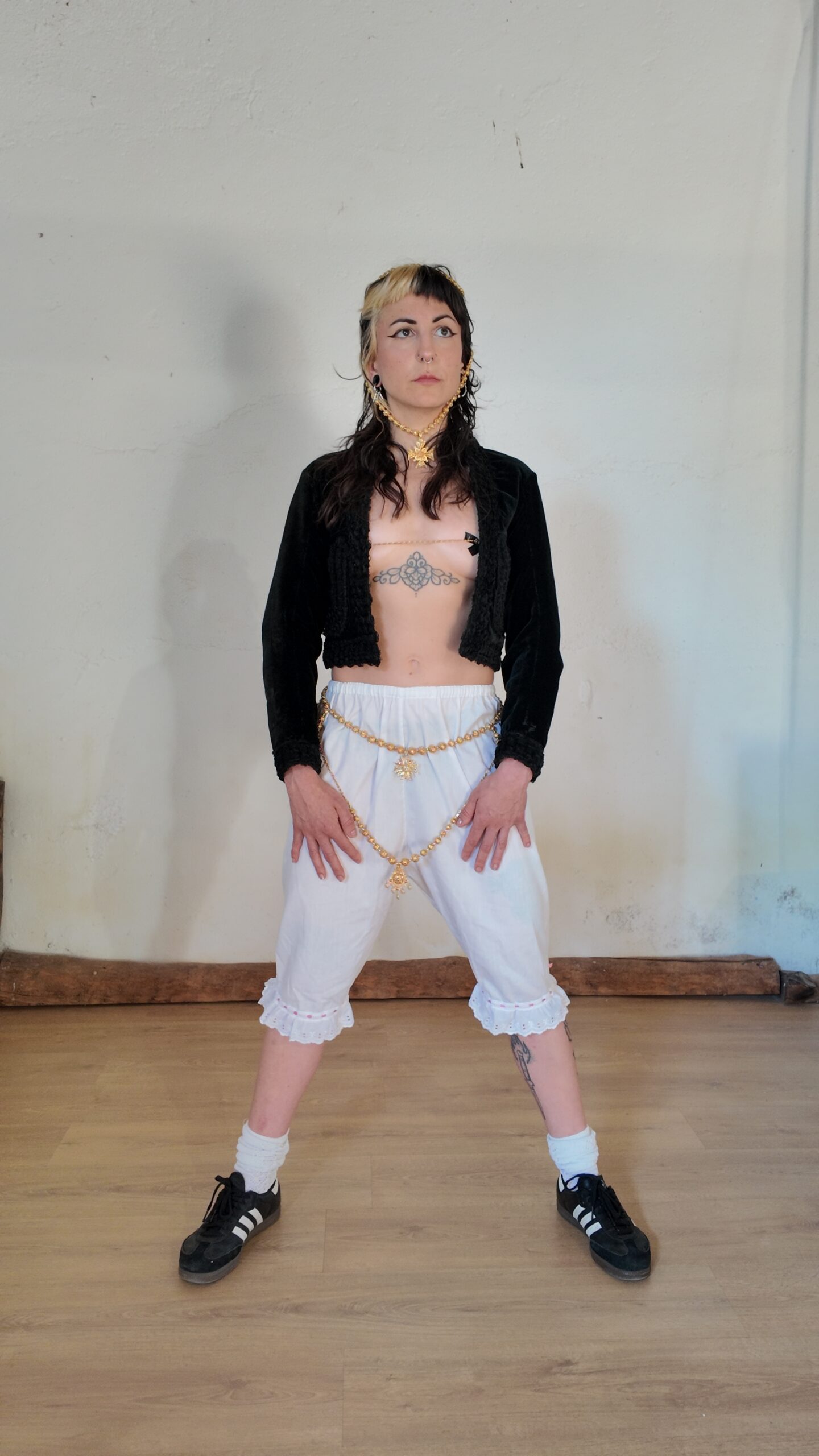


You can find more detailed documentation of the project at https://github.com/MolinoLab/MolinoDeSaberes/blob/main/proyectos/hilos-de-memoria/README.md
Sources consulted
- Ministry of Culture and Sport, La cultura charra (2023)
- Museo del Traje, Ministry of Culture, Salamanca charro costume of Queen Victoria Eugenie
- Provincial Council of Salamanca, La Salina — Guide to Cultural Resources
- El País, Lemus, the charro rapper who is renewing the traditional music of Salamanca