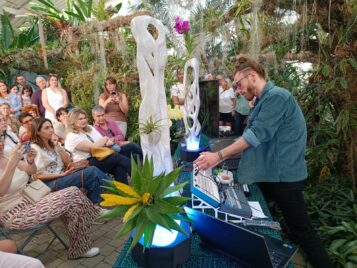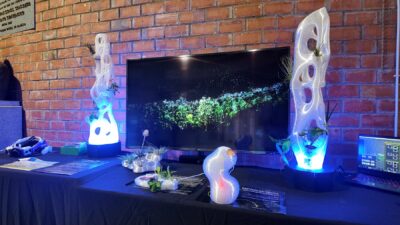

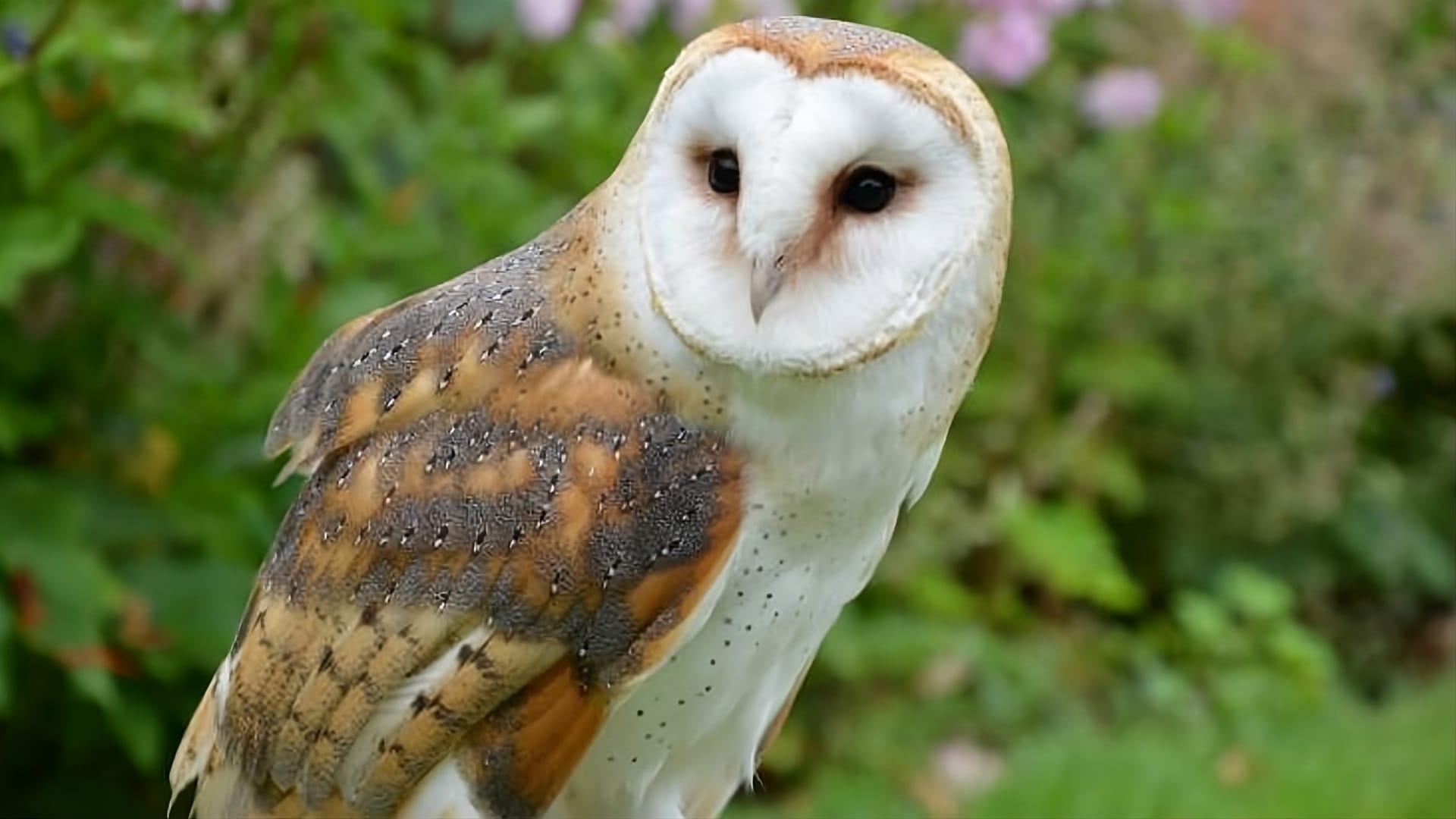
In the spring of 2024, samples were taken of the pellets of the barn owls that live in the old electrical transformer on the estate, the one that in 1943 began to turn the force of the water into electricity for the village of Sancti-Spíritus. Those analyses form part of a study of native and non-native species among terrestrial fauna and seabirds.
Among the different surveys carried out by the project are analyses of barn owl pellets. It is a minimally invasive and very effective tool that offers valuable information on the presence of small mammals in each survey area.
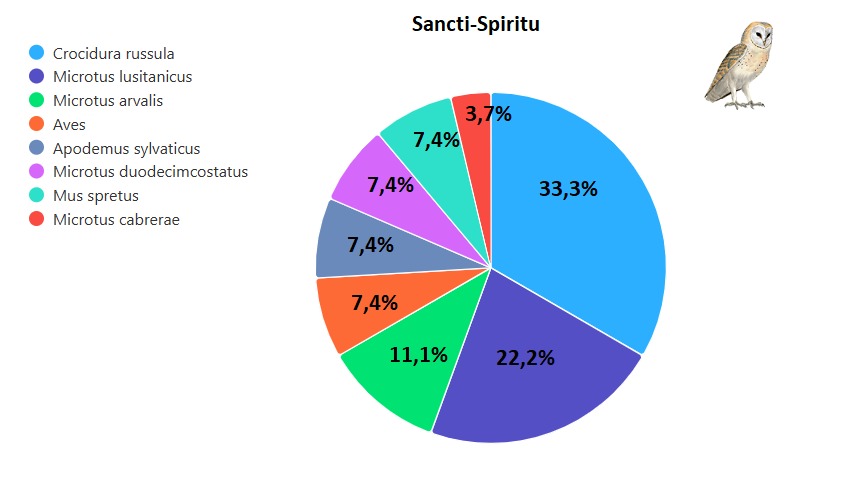
At MolinoLab we collected the pellets in the spring of this year and sent them to the SECEM headquarters in Seville, where they were analysed. The skulls identified were of the greater white-toothed shrew (Crocidura russula), one of the most common shrews, which occupies almost any kind of habitat and feeds on invertebrates; the Lusitanian pine vole (Microtus lusitanicus), a small vole typical of the north-western quarter of the Iberian Peninsula, with underground habits and exclusively herbivorous; the common vole (Microtus arvalis), a medium-sized vole found in the northern half of the peninsula, with a preference for open areas with dense vegetation, where it feeds specifically on plants; the wood mouse (Apodemus sylvaticus), which can be found throughout the peninsula and the Balearic Islands, adapts to almost any habitat and feeds on whatever resources are available at the time; the Mediterranean pine vole (Microtus duodecimcostatus), a small vole found throughout the peninsula except in the north from the Cantabrian Mountains onwards, which prefers open areas and feeds exclusively on vegetation; the Algerian mouse (Mus spretus), whose range is similar to that of the Mediterranean pine vole, in very varied habitats, and whose diet depends on the availability of resources; and the Cabrera’s vole (Microtus cabrerae), an Iberian endemic with a very fragmented distribution, listed as “vulnerable” in the Spanish Catalogue of Threatened Species, which makes the population of this species in the Campo de Yeltes very important. Some bird skulls have also been found, but the species have not been identified.
More information about the project
The MOMAT project is part of a larger project, “Terrestrial fauna and seabirds (native and invasive alien species), improving knowledge of conservation status”, a commission from MITECO, coordinated by SECEM and managed by TRAGSATEC, whose aim is to design a mammal monitoring plan that is being used to gather information on certain species, mainly those that are not emblematic or game species. It also helps to complete the reports on the species listed in the annexes of the Habitats Directive and in the EU regulation on invasive alien species, and, finally, to update the Atlas and Red Book of the Terrestrial Mammals of Spain.